
Supporting Projects
Your Contributions at Work
Every subscription made helps bring carbon-offset projects to life, restoring native forests, empowering communities, and healing Country both here in Australia and around the world. We select projects that deliver genuine climate and social impacts, and here are five shining examples of what your contributions support:
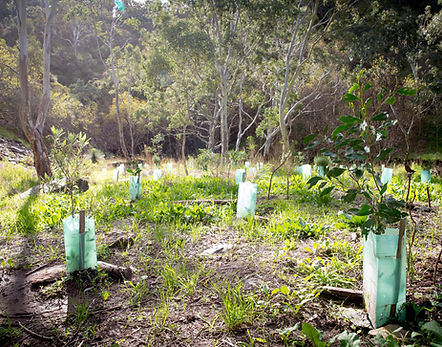
South Australian Revegetation
and Local Habitat Restoration
Volunteers and landholders are reviving native bushland and waterfront bush buffers in South Australia, planting local tree species to rebuild core habitats and boost biodiversity. Many of these projects focus on endangered creatures like the Red-tailed Black Cockatoo, and ensure regrowth won’t be cleared in the future, reconnecting communities with their landscape.

Wagin Landscape Revival, Cultural & Eco Hub (Indigenous-Focused)
In Western Australia’s Wagin region, a large-scale restoration site blends carbon sequestration with rich cultural layers. This living landscape includes an art gallery, café, market garden, kangaroo habitats, walking trails, and community tours, honouring Indigenous culture while regenerating forest and soil.
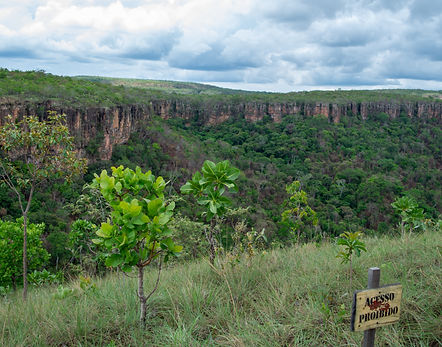
Kenyan Forest Revival Protecting a Vital Ecosystem
This project helps restore the critical forest ecosystem that feeds one of Kenya’s most vital water systems. By planting trees and securing land long-term, it safeguards biodiversity and supports hundreds of local livelihoods, maintaining an ecosystem that sustains people and wildlife alike.
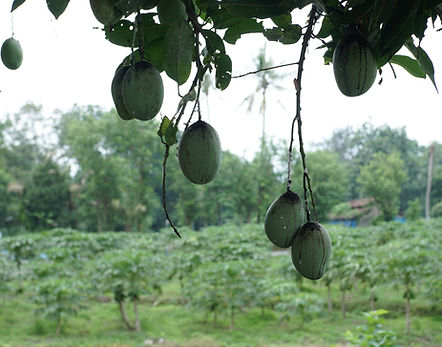
Ghanaian Community Orchards Feeding and Restoring Land
Local communities in Ghana are planting hundreds of mango trees in small orchards, transforming lands for climate resilience, improving income, and restoring degraded soil. This project has already secured land and provided training for lasting yields and welfare.
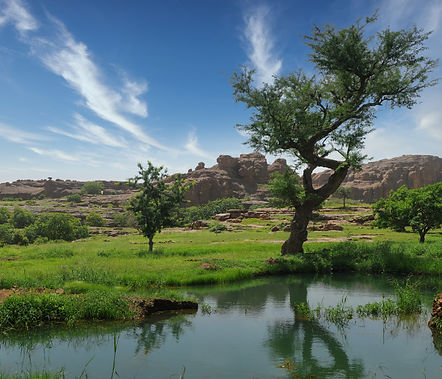
Sahel Agropastoral Restoration From Desert to Savanna
In Mali’s rural zones, villages are partnering with expert teams to restore degraded lands via agroforestry and silvopasture. This holistic project re-establishes functional ecosystems, fosters local food production, and strengthens village economies in harmony with nature.